
Traveling with children can pose unique challenges, including making safe food choices. Food- and water-borne illnesses are among the most common health issues affecting travelers, especially children (WHO, 2026). In fact, diarrheal diseases are the leading cause of infant mortality worldwide (Daley & Avva, 2026). Therefore, it is vital to make thoughtful choices about food and drink when planning for travel.
Why Food and Water Safety Matters
Children are at higher risk for complications from gastrointestinal infections because their bodies lose fluids more quickly (Daley & Avva, 2026). Even a short illness, such as travelers’ diarrhea, can lead to dehydration if fluid intake is inadequate.
Travelers’ Diarrhea
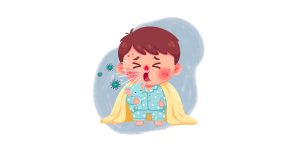
Travelers’ diarrhea is the most common illness affecting international tourists (AAP, 2017), with 10-40% of international travelers getting diarrhea (Schmitt, 2025). It typically occurs when pathogens are consumed through contaminated food or water. These organisms may be present in untreated drinking water, improperly handled food, or foods that have been sitting at room temperature. Common food- and water-borne pathogens include viruses such as hepatitis A and norovirus, bacteria such as Salmonella, Shigella, Campylobacter, Listeria, and E. coli, and parasites such as Cyclospora and Toxoplasma. These pathogens are ubiquitous in the environment and can enter the food and water supply in many ways (AAP, 2024). Most cases of traveler’s diarrhea get better on their own; however, it can cause severe dehydration (Schmitt, 2025).
Common Food- or Water-Borne Illness Signs/Symptoms
- Diarrhea
- Vomiting
- Belly pain
- Nausea
- Abdominal Cramps
- Fever
- Headache
- Fatigue
- Muscle aches
Symptoms can appear within a few hours to a few days of ingestion.
Climate and Food-Borne Pathogens
Climate change is a pressing global issue that has major implications for the environment, agriculture, food systems, and human health. In response to a shifting climate, the behavior and impact of food-borne pathogens may change, so may their effect on humans (Awad et al., 2024). As our relationship to food changes, it is more vital than ever to close knowledge gaps in how to choose safe food and drink.
How To Practice Food Safety
Fortunately, careful food and beverage choices can significantly lower the risk of food- and water-borne illness.
Choose Safe Drinking Water
In many destinations, tap water may contain bacteria, viruses, or parasites that cause illness. Parents and guardians should assume tap water is unsafe unless they are certain it has been properly treated (AAP, 2017). Vomiting and diarrhea are the most common causes of dehydration in children (Daley & Avva, 2026). And having a safe source of fluids is crucial to preventing and treating food-related illness.
Safer fluid options include:
- Bottled or canned beverages that are sealed and opened by you
- Boiled water (boiling kills most pathogens)
- Hot drinks such as coffee or tea that are served steaming hot
- Pasteurized milk products
- Water-related precautions to remember:
- Avoid ice cubes, which may be made from untreated water
- Use safe water for brushing teeth and mixing infant formula
- Avoid swallowing water while showering or swimming in untreated sources
- If bottled water is not available, water can be made safer by boiling it or using purification methods recommended for travel.
Focus on Foods That Are Cooked and Served Hot
Avoid raw or undercooked meat and raw fruit or vegetables (AAP, 2017). Heat destroys many harmful microorganisms. For that reason, freshly cooked foods served hot are usually the safest choice. Use common sense when eating food from street vendors and avoid anything that appears to be cooked or served in unclean conditions (AAP, 2017).
Good food choices:
- Freshly cooked meals served hot
- Breads and dry packaged foods
- Shelf-stable snacks
- Fruits that can be peeled by the traveler (e.g., bananas or oranges)
- Foods to be cautious about:
- Raw or undercooked meat, fish, or shellfish
- Raw vegetables and salads
- Buffets or foods that have been sitting at room temperature
- Street vendor food that may not be handled safely
- Organic foods are not necessarily more nutritious; however, they may have lower pesticide residue (AAP, 2024).
Special Considerations for Infants and Young Children
- Breastfeeding is the safest feeding option while traveling because breast milk is naturally sterile and protects against many infections.
- If your child drinks formula:
- Consider bringing formula from home
- Use sterile or boiled water to prepare bottles
- Properly clean bottles and nipples with safe water
- Children may be more sensitive to dietary changes while traveling. Pack familiar snacks from home to provide safe food options.
Encourage Good Hand Hygiene
Hand hygiene is one of the most effective ways to prevent gastrointestinal illness during travel (Schmitt, 2025). Remind children to wash their hands:
- Before eating
- After using the bathroom
- After touching animals or surfaces in public spaces
- After diaper changes
Use alcohol-based hand sanitizer with at least 60% alcohol when soap and water are not available.
Travel Prep Tips
Preparation can be one of the best ways to protect your child from food-borne illness while traveling. Planning tips:
- Pack safe snacks (crackers, dried fruit, granola bars)
- Carry hand sanitizer and disinfectant wipes
- Bring oral rehydration solution packets
- Research food and water safety for your destination before traveling
- Get vaccinated & avoid any preventable illnesses
When To Contact Your Pediatric Healthcare Provider
- Diarrhea lasts more than 2 weeks
- Stools appear bloody
- Signs of dehydration (less urination, dry tongue/mouth, dry eyes with few or absent tears, fussiness, lethargy, dizziness)
- Severe neurological issues (stiff neck, confusion, slurred speech, muscle weakness)
- Fever
- Newborns (under 1 month) should be taken to the ER for a temp over 100.7° F
- Older kids should be taken for a temp over 103.5° F (check first to see if they are responsive to fever reducers like Tylenol or Motrin)
Finally, food safety concerns affect us regardless of whether we’re traveling internationally. Many of the above tips apply to choosing food and drink at home, too! For questions or concerns, contact us.
References
AAP. (2017, January 30). Precautions for International Travel: Information for Parents. HealthyChildren.Org. https://www.healthychildren.org/English/health-issues/conditions/prevention/Pages/Precautions-for-International-Travel.aspx
AAP. (2024, January 10). Food Safety and Children. American Academy of Pediatrics. https://www.aap.org/en/patient-care/environmental-health/promoting-healthy-environments-for-children/food-safety/
Awad, D. A., Masoud, H. A., & Hamad, A. (2024). Climate changes and food-borne pathogens: The impact on human health and mitigation strategy. Climatic Change, 177(6), 92. https://doi.org/10.1007/s10584-024-03748-9
Daley, S. F., & Avva, U. (2026). Pediatric Dehydration. In StatPearls. StatPearls Publishing. http://www.ncbi.nlm.nih.gov/books/NBK436022/
Schmitt, B. (2025). Diarrhea from Travel. Pediatric Patient Education. https://doi.org/10.1542/ppe_schmitt_411
WHO. (2026). Foodborne diseases. World Health Organization. https://www.who.int/health-topics/foodborne-diseases