As of February 26, 2026, 1,136 confirmed measles cases had been reported in the United States, including 18 cases in California. Three people died of measles in 2025 in the US. And so far in 2026, 24% of cases are among children under 5, and 57% are among those aged 5-19 (CDC, 2026). Measles infections are on the rise, likely due to vaccine hesitancy and reductions in routine vaccination (AAP, 2024; Strebel & Orenstein, 2019).
What is Measles?
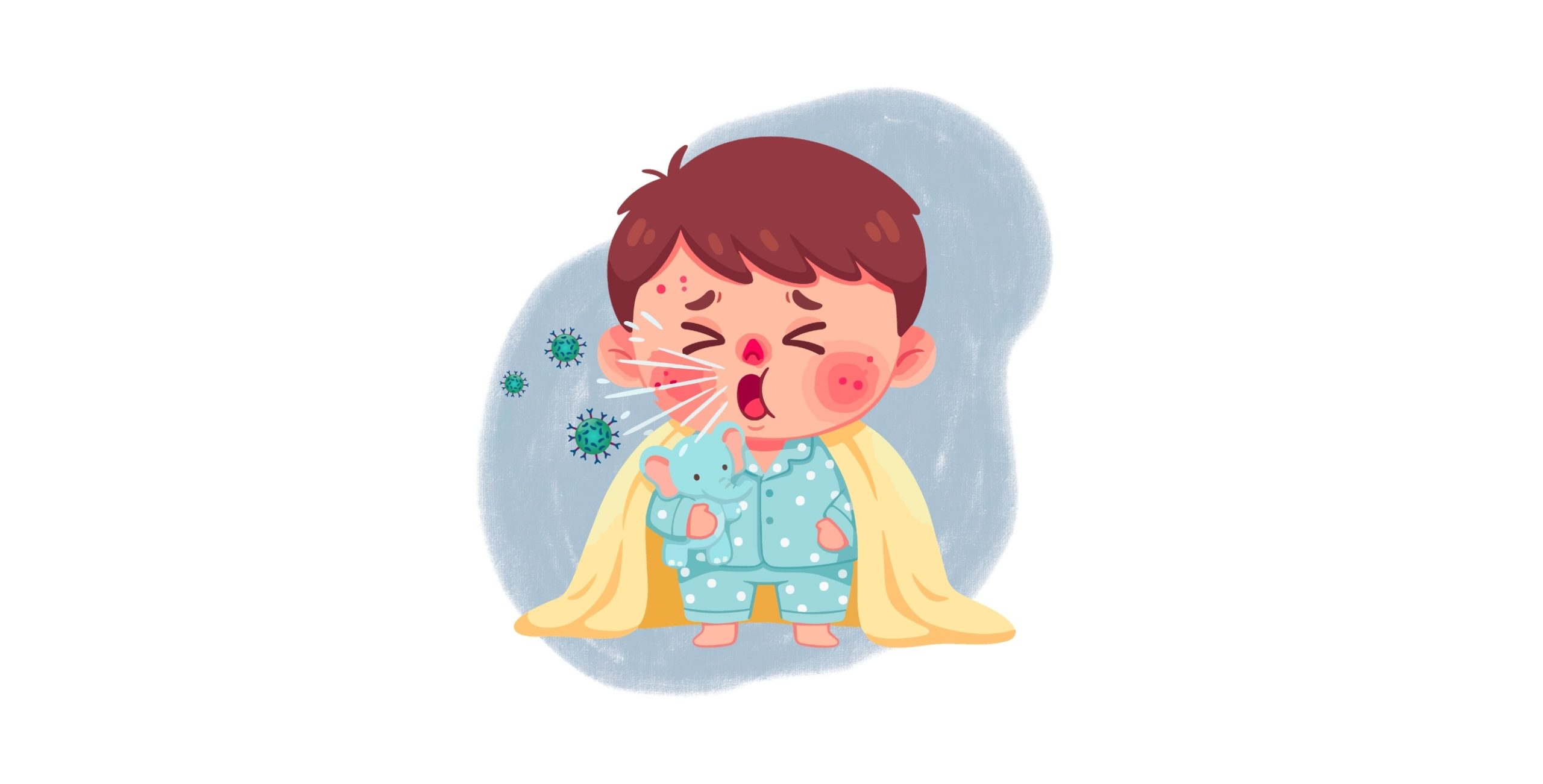
Measles is a highly contagious viral illness that spreads through the air when an infected person coughs or sneezes (Do & Mulholland, 2025). It is one of the most infectious diseases known (Strebel & Orenstein, 2019). In fact, 90% of measles infections are outbreak-associated (CDC, 2026).
Signs & Symptoms of Measles
Measles signs and symptoms typically appear 10-14 days after exposure and start with:
- High fever
- Cough
- Runny nose
- Red, watery eyes (conjunctivitis)
After 2-4 days, a red, blotchy rash appears, starting on the face and spreading down the body. Small white spots (Koplik spots) may appear inside the mouth before the rash (Do & Mulholland, 2025). People with measles are contagious from 4 days before the rash appears until 4 days after (Do & Mulholland, 2025).
Complications of Measles Infection
Measles can cause several serious health issues (AAP, 2024; Do & Mulholland, 2025), such as:
- Otitis media (middle ear infection/inflammation)
- Laryngotracheobronchitis (croup)
- Diarrhea
- Immune amnesia & increased susceptibility to secondary infections up to a year following measles infection
- Pneumonia
- Malnutrition
- Brain inflammation (encephalitis): 1 in 1,000 cases
- Death: 1-3 in 1,000 cases
Children under 5 years, adults over 20 years, pregnant women, and people with weakened immune systems are at the highest risk for severe complications (AAP, 2024).
Treatment
There is no approved antiviral medication for measles (Do & Mulholland, 2025).
At-Home Support for Measles Infection
- Isolate to keep measles from spreading.
- Inform anyone your child has been in contact with, including your pediatric healthcare provider, to support contact tracing and limit the spread.
- Prevent dehydration by staying hydrated and looking out for signs, such as dry mouth, decreased urination, dark urine, dizziness, and confusion.
- Do not give water to babies under 6 months of age.
- Provide fluids with honey to soothe a cough. Do not give honey to children under the age of 1 year old.
- Use fever reducers for fevers, aches, and pains. Avoid aspirin.
- Use a humidifier or vaporizer for cough and congestion.
- Give a lukewarm bath with oatmeal or mineral salt to help relieve itching.
- Encourage lots of rest.
Vitamin A and Measles
Vitamin A deficiency has been associated with severe infection and death among children in low- and middle-income countries (Do & Mulholland, 2025). High doses of vitamin A administered in a hospital setting have been shown to decrease mortality in children with measles infection (Strebel & Orenstein, 2019). However, vitamin A does not prevent measles (Do & Mulholland, 2025).
Vitamin A supplementation at home is not an effective treatment for measles, and vitamin A for measles requires an extremely high dose under medical supervision. It is a proven treatment that reduces complications and mortality in children (not adults) already sick with measles. Vitamin A as a treatment is administered in a high dose once daily in the hospital for two days to:
- Reduce deaths in children under 2 years
- Reduce deaths from measles pneumonia
- Reduce the severity of croup
- Speed recovery from pneumonia and diarrhea
Dangers of Taking High Doses of Vitamin A Without Medical Guidance
- Liver damage
- Bone problems and pain
- Central nervous system damage
- Skin problems
- Birth defects
Daily intakes of more than 1,500 IU per kilogram of body weight have been linked to toxic effects in children.
Measles Prevention
Reported measles cases declined rapidly in the years following the vaccine licensure in 1963, and measles was declared eliminated in the US in 2000 (CDC, 2026; Strebel & Orenstein, 2019). Measles cases remained low in the 2000s until 2017/2018, when they began to rise, likely due to vaccine hesitancy and declines in routine vaccination (AAP, 2024; Strebel & Orenstein, 2019).
The measles, mumps, and rubella (MMR) vaccine is safe and effective. When more than 95% of people in a community are vaccinated, most unvaccinated people are protected by community immunity (herd immunity) (CDC, 2026; Do & Mulholland, 2025).
The MMR (measles, mumps, rubella) vaccine is safe and highly effective:
- Two doses are about 97% effective at preventing measles
- First dose: 12-15 months of age
- Second dose: 4-6 years of age
If you or your child is not vaccinated and is exposed to measles, contact your healthcare provider immediately. Vaccination within 72 hours of exposure may prevent illness (AAP, 2024).
When to Seek Medical Care
Contact your healthcare provider immediately if you or your child:
- Have been exposed to someone with measles
- Develop a fever with rash
- Have symptoms of measles
For GHT patients local to the Long Beach area, visit the following for local information and recommendations:
If you have measles, stay home and away from others for 4 days before the rash starts until 4 days after. This helps prevent the virus from spreading to vulnerable people.
Talk to your healthcare provider about:
- Your vaccination status and whether you need the MMR vaccine
- Vaccination before international travel
- What to do if you’ve been exposed to measles
- Whether vitamin A is appropriate if your child is diagnosed with measles
Key Takeaways
- Measles, a highly contagious viral illness, is on the rise.
- Complications of measles include otitis media (middle ear infection/inflammation), laryngotracheobronchitis (croup), diarrhea, weakened immunity, pneumonia, malnutrition, encephalitis (brain inflammation), and death.
- There is no approved antiviral medication for measles.
- High doses of vitamin A can be toxic and should only be administered in a hospital setting under medical supervision for severe measles infection.
- The best way to prevent measles is vaccination.
- If your child is not vaccinated and is exposed to measles, vaccination within 72 hours of exposure may prevent illness.
- If you suspect that your child has measles, contact your pediatric healthcare provider and inform anyone your child has been in contact with.
Call ahead before going to the doctor’s office or emergency room to prevent spreading measles to others. For all GHT patients, we have separate entrances for sick and well visits to keep our patients safe and limit the spread of illness.