
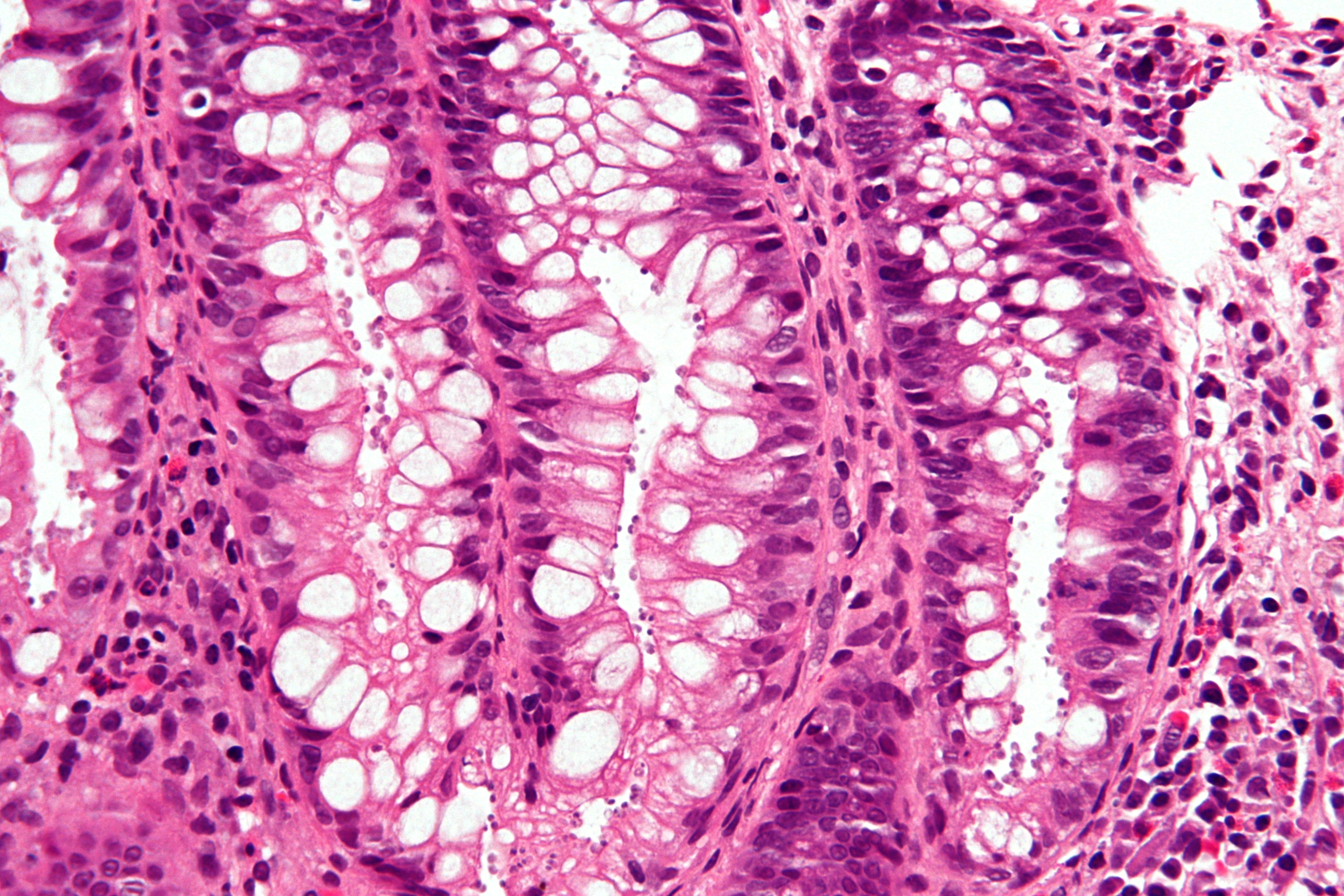
 Cryptosporidiosis is an infection caused by a microscopic parasite called Cryptosporidium. This parasite infects intestinal tract, and in some cases, the respiratory tract and digestive tract. Cryptosporidium travels from host to host through human and animal stool. It is commonly spread through contaminated water. Cryptosporidiosis one of the most common water-borne diseases, as it is found virtually everywhere in the world.
Symptoms of Cryptosporidiosis
- Stomach cramping
- Watery diarrhea
- Dehydration
- Fever
- Nausea
- Vomiting
- Weight loss
How does cryptosporidiosis spread?
Firstly, you can get cryptosporidiosis by ingesting the Cryptosporidium parasite. Cryptosporidium lives in soil, food, water, or on surfaces that have come in contact with infected feces. Cryptosporidiosis is contagious, so it’s important to avoid spreading this parasite. Avoid Cryptosporidium infection by washing your hands often, thoroughly washing any raw foods, and avoiding unclean water.
You may be at a higher risk of infection if you work with diaper-aged children, you are a diaper-aged child, you drink unfiltered, untreated water, you work with animals, or you have close, personal contact with an infected person.
Symptoms typically show 2 to 10 days after infection and last a week or two. For some, symptoms may come and go for a period up to a month. If symptoms last longer than a month, contact your healthcare practitioner.
Water Sources
If you have recently traveled to a developing country, you may be at a greater risk of contracting Cryptosporidium due to water treatment and food sanitation issues. However, the CDC reports that an estimated 748,000 new cases arise every year in the United States.
Swimming pools can often be the source of Cryptosporidium infection. This parasite has a hard, outer shell that makes it difficult to kill. Cryptosporidium may not die when treated with chlorine disinfectants. If you have cryptosporidiosis, avoid all recreational water, including pools, spas, hot tubs, water parks, splash pads, or other bodies of water.
Tips for Avoiding Cryptosporidiosis in Swimming Pools
- Protect yourself and other swimmers by staying out of the water when you have diarrhea.
- If you can, shower before you get into the pool.
- Never pee or poop in the pool, even though many do!
- Never swallow pool water.
- Remind your children, if you have them, to follow these basic rules.
Diagnosis
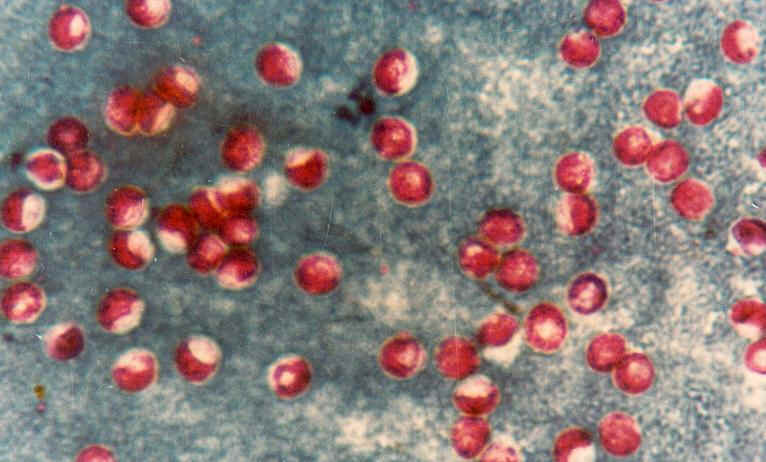
Contact your healthcare provider if you think you might be infected with Cryptosporidium. Diagnosis of cryptosporidiosis requires a stool sample. This parasite can be somewhat difficult to detect, so it may require more than one test to find. As always, it’s important to trust your instincts and be a good advocate for yourself or your kid.
Treatment
Cryptosporidiosis will go away without treatment. However, the FDA has approved the use of an anti-parasitic drug called Nitazoxanide for diarrhea caused by Cryptosporidium. Those with weakened immune systems may require additional treatment. These individuals may experience more severe symptoms that often reoccur.
Also, diarrhea can cause severe dehydration in some individuals. Be sure to drink plenty of fluids while your immune system is hard at work getting this parasite out of your system. Babies can be particularly susceptible to dehydration when they have diarrhea. Take extra care in keeping your child hydrated while they experience diarrhea.
Dehydration
Dehydration can result in death, in some extreme cases. Because diarrhea can cause severe dehydration, it is important to keep hydrated. Watch for signs of severe dehydration. Symptoms may include irritability and skin that seems less stretchy. Symptoms of severe dehydration include lethargy or unconsciousness, sunken eyes, difficulty drinking or moving the mouth, and skin that does not spring back when pinched.
As always, for additional comments or questions, respond to this blog or contact us!